Echoes of Cedar and Green: Slow Living Secrets of Kyoto
A quiet study in Japanese garden aesthetics, matcha heritage, and preserving unhurried rituals in modern times.
Table of Contents
Kyoto is often misunderstood by visitors who sprint through its major temples in search of postcard perfection. Yet the city reveals its true heart only when you slow down enough to hear the soft rake of bamboo brooms against gravel before dawn.
1. The Architecture of Moss and Shadow
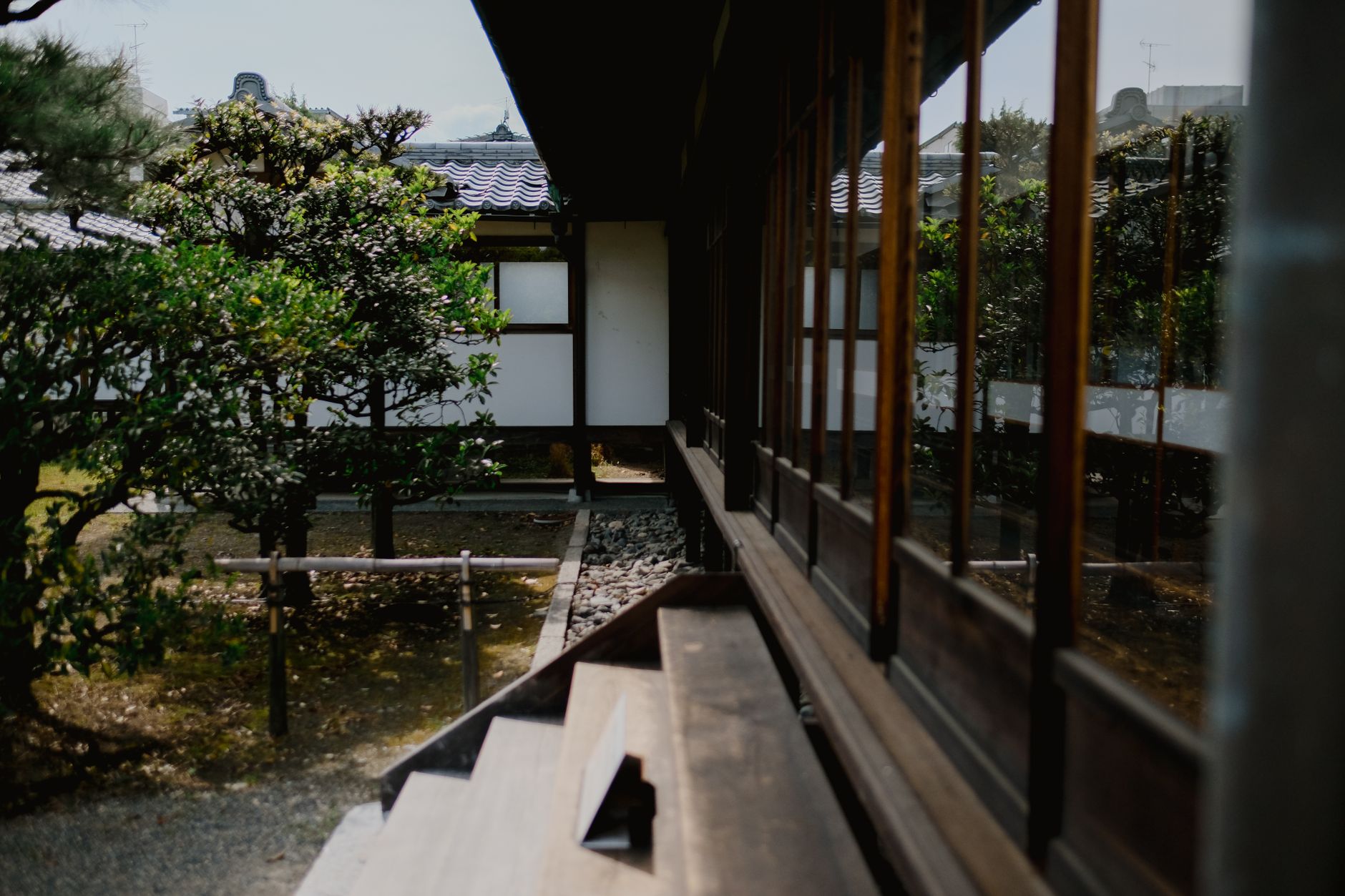
In classical Japanese aesthetics, beauty is not placed upon a pedestal under glaring light; it hides in textures, shadows, and subtle patinas described famously by Jun'ichirō Tanizaki in In Praise of Shadows. In temple sanctuaries such as Giō-ji and Saihō-ji, over one hundred varieties of velvety emerald moss carpet the ground beneath Japanese maples and towering cedar trunks.
Sitting on the polished cedar veranda of a quiet sub-temple with nothing to do but watch raindrops slip from the eaves is among the most deeply restorative exercises a traveler can experience. Time loosens its grip.
2. Terroir of Uji Matcha
Just south of the city along the Uji River, misty hills provide the ideal microclimate for shade-grown green tea. The tea ceremony (chadō) is far more than an ornate serving of hot beverage; it is a philosophy of hospitality based on ichigo ichie—the concept that every single meeting is unrepeatable and should be honored with absolute presence.
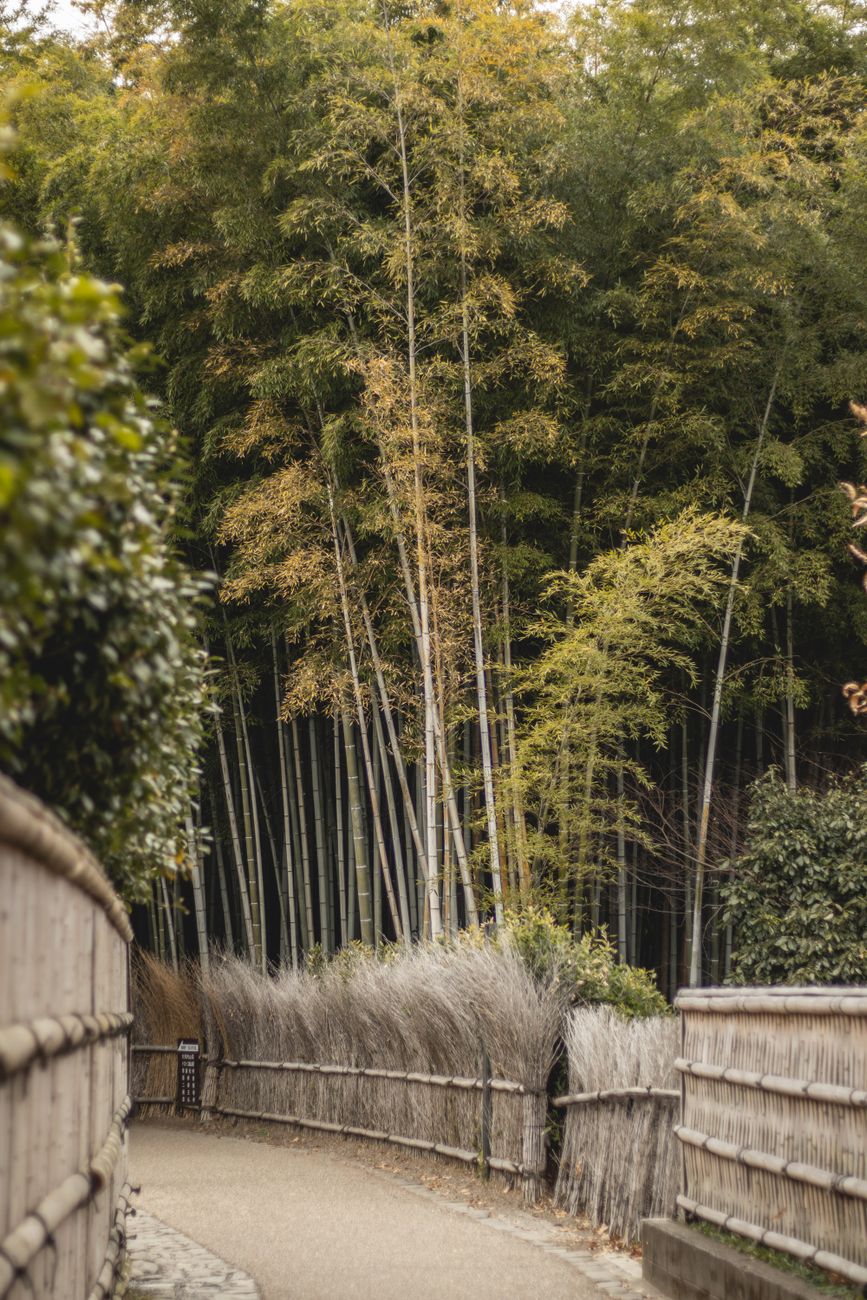
Morning light filtering through cedar branches at a private teahouse sanctuary.
"To prepare tea is to calm the storm in your own mind, until the only sound remaining is the iron kettle singing like wind through pines."
3. Machiya Living and Quiet Neighborhoods
Rather than staying in standard business hotels, we encourage readers to seek accommodations within restored wooden machiya—traditional merchant townhouses. With their sliding screens (shoji), inner courtyards (tsuboniwa), and cypress soaking tubs, these homes ground the traveler in residential quietude.
Mornings begin with trips to local tofu makers who have pressed soy milk at dawn for six generations, followed by quiet walks along the Kamogawa River where herons wade peacefully in the shallows.
4. Respectful Cultural Etiquette
- Photography Restraint: Do not photograph geiko or maiko on public streets without consent; honor designated quiet zones.
- Footwear Awareness: Remove shoes promptly at temple thresholds and step gently upon tatami mats.
- Volume and Presence: Keep conversations subdued in sacred precincts to preserve the sanctuary experience for worshippers.
Curate an Intimate Kyoto Sojourn
We arrange discreet access to private heritage gardens, tea masters, and certified machiya residences.
Speak With Our Japan Curator