Glacial Reverie: Navigating the Windswept Edge of Patagonia
Traversing southern ice fields, blue-ice crevasses, and finding hospitality in isolated estancias.
Table of Contents
Few landscapes on Earth remind the human traveler of planetary scale quite like Patagonia. Standing on the southern shores of Lake Pehoe, looking up at the granite horns of Torres del Paine as lenticular clouds swirl across the sky, civilization feels distant and delightfully fragile.
1. Where the Wind Has a Physical Body
The wind in Patagonia is not merely atmospheric movement; it is an active companion with weight and personality. Sweeping unchecked across thousands of miles of open Southern Ocean before crashing into the Andean Cordillera, it forces you to lean forward at thirty-degree angles and respect every step.
Yet rather than feeling inhospitable, this raw vitality cleanses the mind. In the valleys of French and Bader, the air smells of glacial melt, southern beech forests (lenga), and ozone. Condors ride thermal waves overhead with absolute mastery, showing how surrender to nature is the highest form of grace.
2. The Blue Monoliths of Grey and Perito Moreno
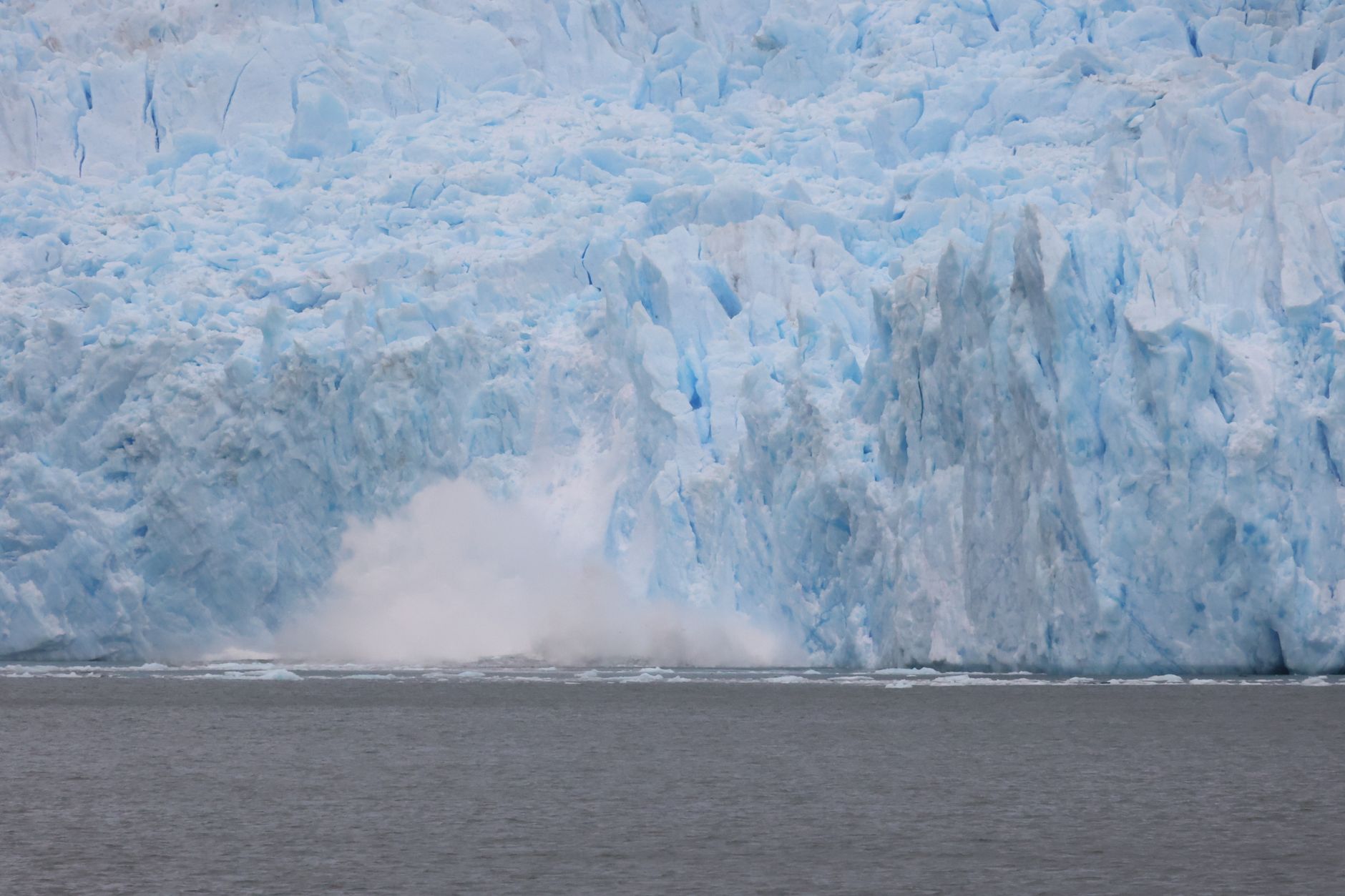
Approaching a glacier face by wooden boat or crampon traverses reveals a spectrum of blue unseen anywhere else. The ice is so intensely compressed over millennia that all air bubbles are forced out, absorbing red light and reflecting a hypnotic, radioactive cyan.
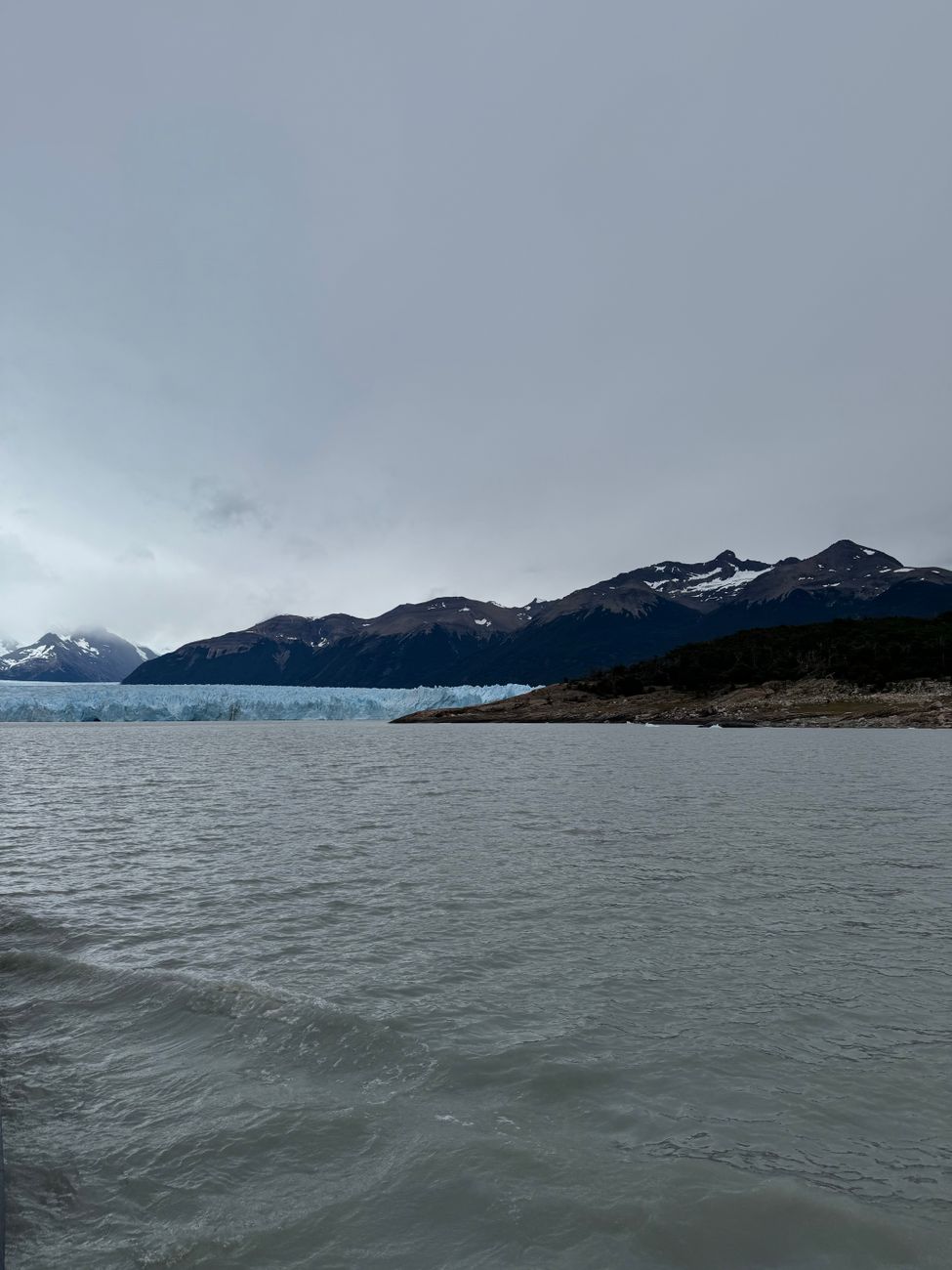
The ice edge in Torres del Paine National Park, where glacial melt feeds turquoise lagoons.
"When a multi-ton serac calves into the fjord, the sonic boom rolls across the valleys like thunder on a clear day—a direct transmission of geological time."
3. Fire, Lamb, and Estancia Hospitality
After days battling winds on the trails, arriving at a traditional Patagonian estancia (sheep ranch) is an unforgettable warm embrace. Centered around the fogón—an indoor open-fire pit—the gauchos slow-roast lamb over native wood coals while mate gourds are passed in silence from hand to hand.
Here, luxury is not measured in marble bathrooms or velvet curtains, but in the heat of glowing embers, wool blankets hand-spun from local fleece, and stories of pioneer endurance beneath the southern constellations.
4. Packing and Environmental Safety
- Hardshell Layering: Windproof and waterproof 3-layer shells are non-negotiable; weather can shift from blinding sunshine to horizontal sleet within twenty minutes.
- Leave No Trace: Fire safety is paramount in these fragile arid forests. Use only regulated camp stoves and pack out all organic remnants.
- Pacing Wisdom: Build in contingency days between major trekking circuits to account for ferry cancellations or storm closures.
Plan Your Patagonian Expedition
Our expedition desk arranges private fjord charters, estancia stays, and experienced mountain guides across Chile and Argentina.
Consult With Our Guides