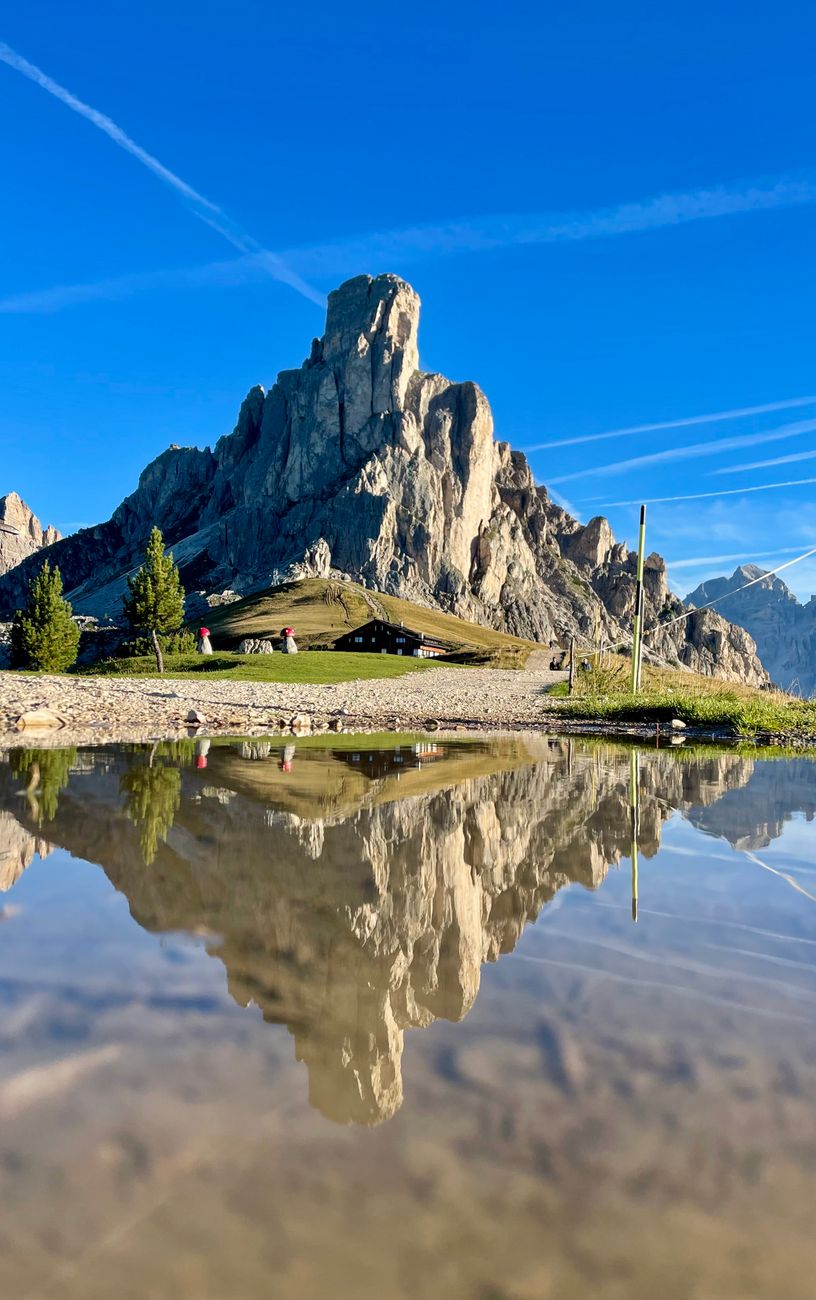
The Alpine Awakening: Solitude Among the Jagged Dolomites
How wandering through northern Italy's high plateaus reconnects the modern wanderer with geological silence.
Table of Contents
The limestone peaks of northern Italy did not emerge to be rushed. Millions of years ago, they rested as ancient coral reefs beneath prehistoric seas; today, they pierce the Mediterranean sky like cathedral spires carved from chalk and rose quartz.
1. The Pale Mountains in Dawn Hue
To experience the phenomenon known locally as enrosadira—the brief moment when the sheer rock faces blush with tones of ochre, coral, and violet at first light—one must depart before the valleys awaken. We stepped onto the high path above Cortina d’Ampezzo when frost still coated the pine needles, accompanied only by the crunch of scree and the distant clink of a chamois skirting a ledge.
Unlike mainstream mountain trails that emphasize high-speed athletic summits, the slow traveler walks with eyes lowered to alpine gentians and lichen-crusted boulders. The scale of the spires humbles the ego, rendering everyday digital anxieties strangely inconsequential.
2. Solitude Over Summit Feats
In modern tourism culture, peaks are frequently treated as commodities to be checked off, documented, and abandoned. But the Dolomite traverse reveals its true intimacy when you stay between 2,000 and 2,500 meters for multiple consecutive days without descending to car traffic.
"The mountain does not care about your schedule. Its silence is not emptiness; it is an overwhelming fullness waiting for you to quiet down."
The sensory details linger longest: the scent of wild thyme warmed by midday sun on south-facing slopes, the brisk sharpness of spring water drawn directly from limestone fissures, and the sudden quietude when the evening wind settles into the pine valleys.
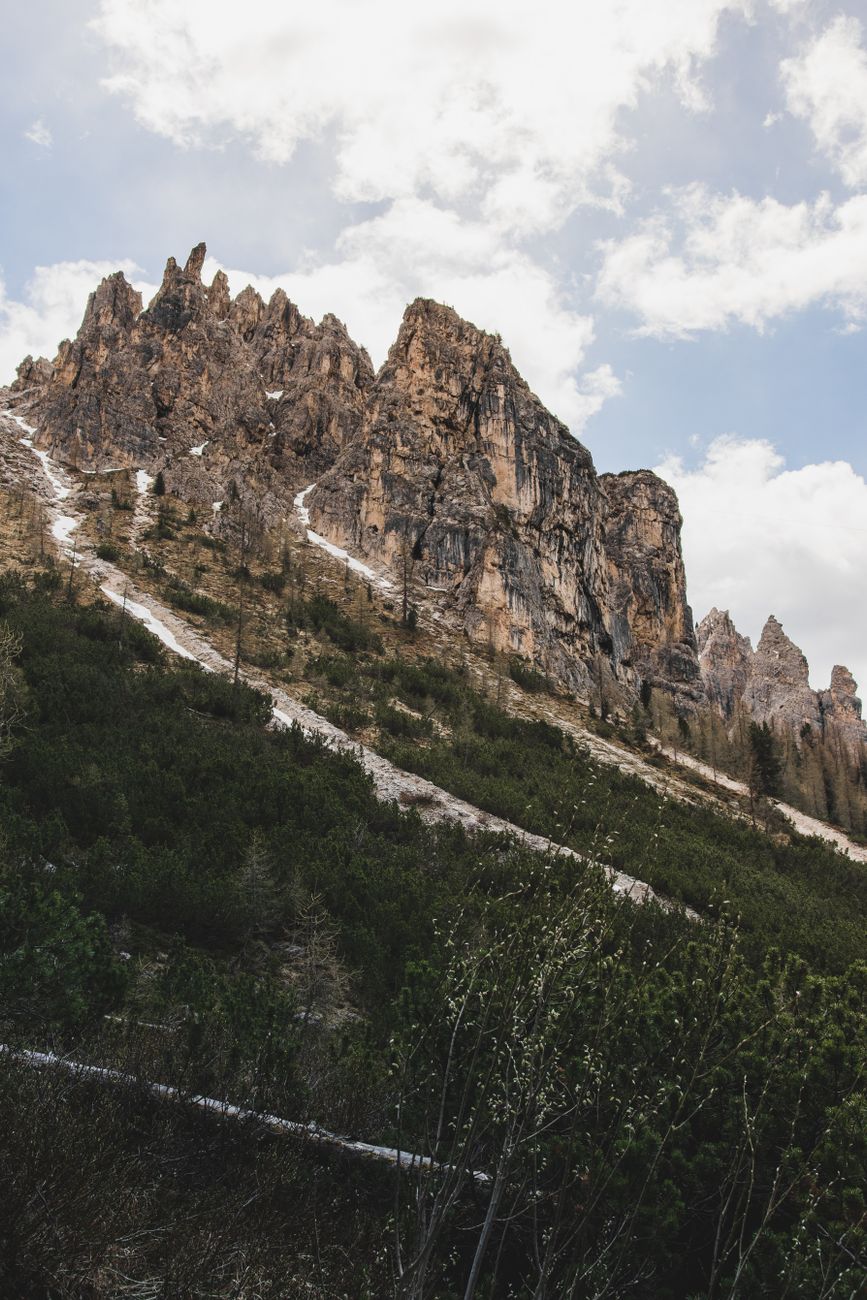
A high plateau crossing near the Tre Cime sanctuary, early autumn.
3. The Culture of the High Rifugio
A central pillar of genuine Alpine immersion is the mountain rifugio. These stone refuges, originally constructed to shield shepherds and pioneers, preserve a profound communal hospitality. Dining at communal wooden benches alongside hikers from across the globe over bowls of warm canederli (dumplings served in rich broth) and glasses of Teroldego red wine reminds us of the communal roots of wandering.
Electricity is often generated by small solar arrays or nearby water turbines, and waste is packed out with scrupulous care. Here, comfort is defined not by gilded luxury, but by dry socks, steaming herbal infusions, and conversations framed by starlight unpolluted by city haze.
4. Mindful Itinerary Considerations
- Best Season: Mid-September to early October, when summer crowds vanish and the larch trees turn brilliant amber gold.
- Gear Ethos: Merino layers, sturdy broken-in boots, and a lightweight pack under 9 kg to ensure effortless walking.
- Environmental Code: Remain strictly on marked footpaths to prevent fragile scree erosion and leave every campsite pristine.
Plan Your Own Dolomite Sanctuary
Our atelier crafts bespoke private hiking itineraries through these exact passes, complete with reserved rifugio stays and luggage support.
Inquire With Concierge